Scolmore Group Sites

Click

Click

Ovia UK

Ovia UK

ESP UK

ESP UK

Unicrimp

Unicrimp

Click Smart +

Click Smart +

Scolmore OEM

Scolmore OEM

Scolmore Middle East

Scolmore Middle East

Sangamo

Sangamo

Click Litehouse

Click Litehouse

Espire

Espire

Ovia Ireland

Ovia Ireland

ESP Ireland

ESP Ireland

Elucian

Elucian

Orbik

Orbik


Product Finder
Marketing Hub
Scolmore Sites
2026 | IEC Lock Limited.
Part of the Scolmore Group. All rights reserved.
How it works
A simple breakdown of how our locking connectors and outlets secure and maintain reliable connections.
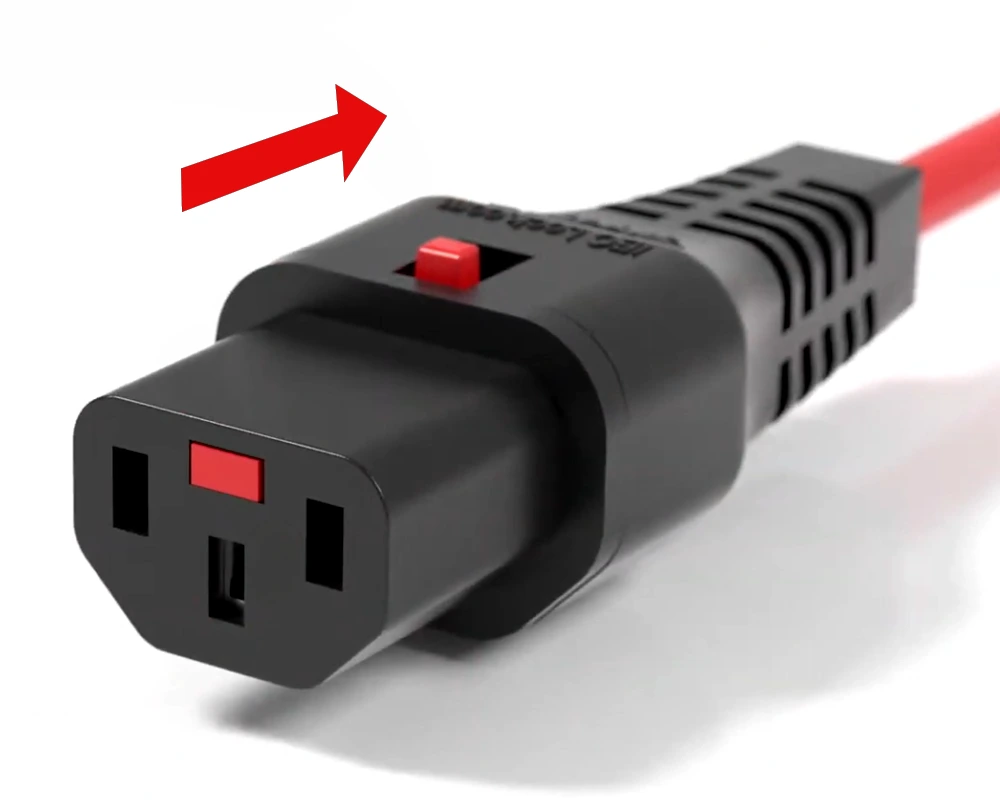
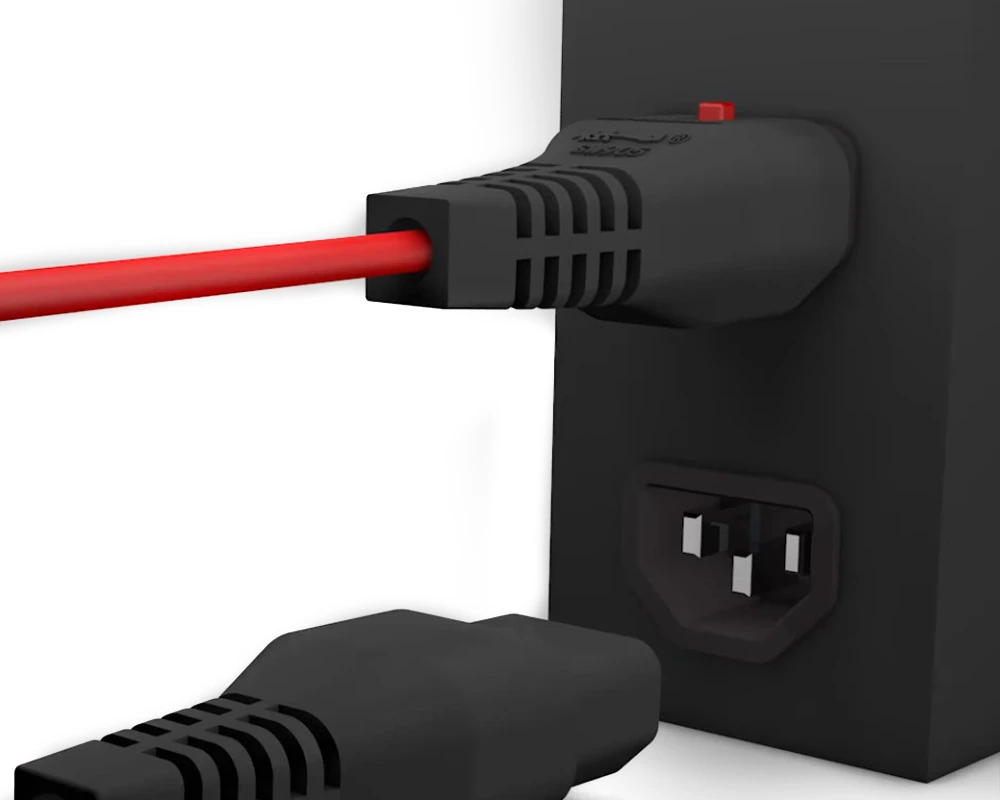
Locking Connectors
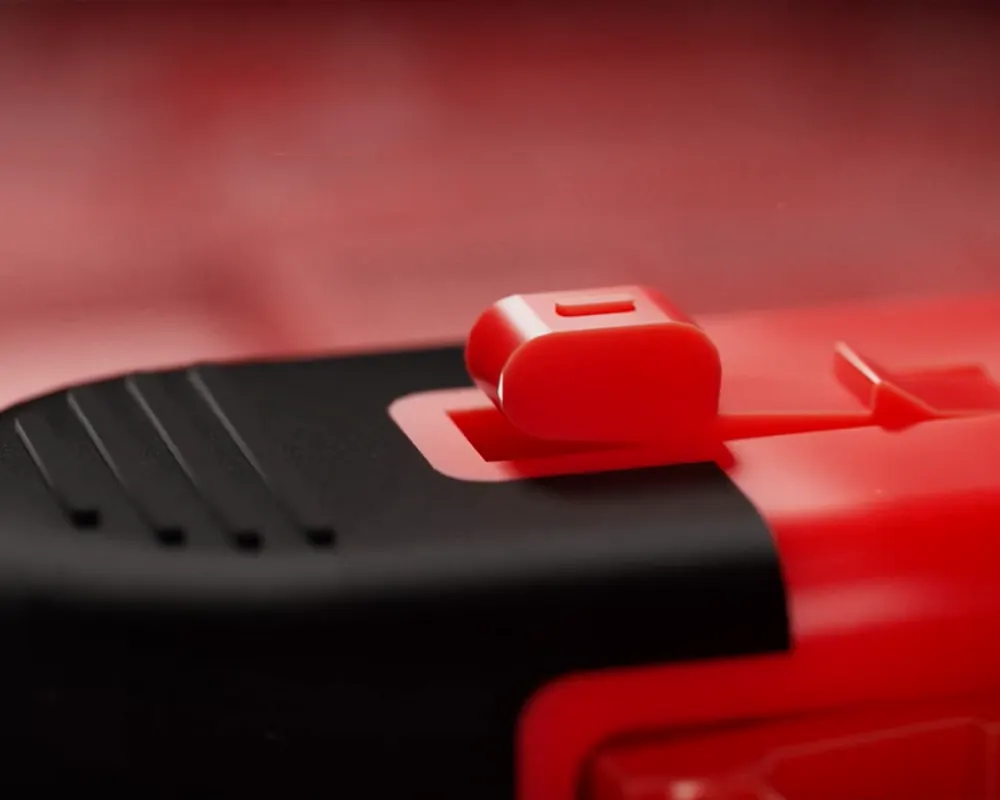
Pull back tab to insert 
Pull the tab back and then push the connector into any standard IEC inlet, release the tab and it is locked in position.
Automatic lock on release 
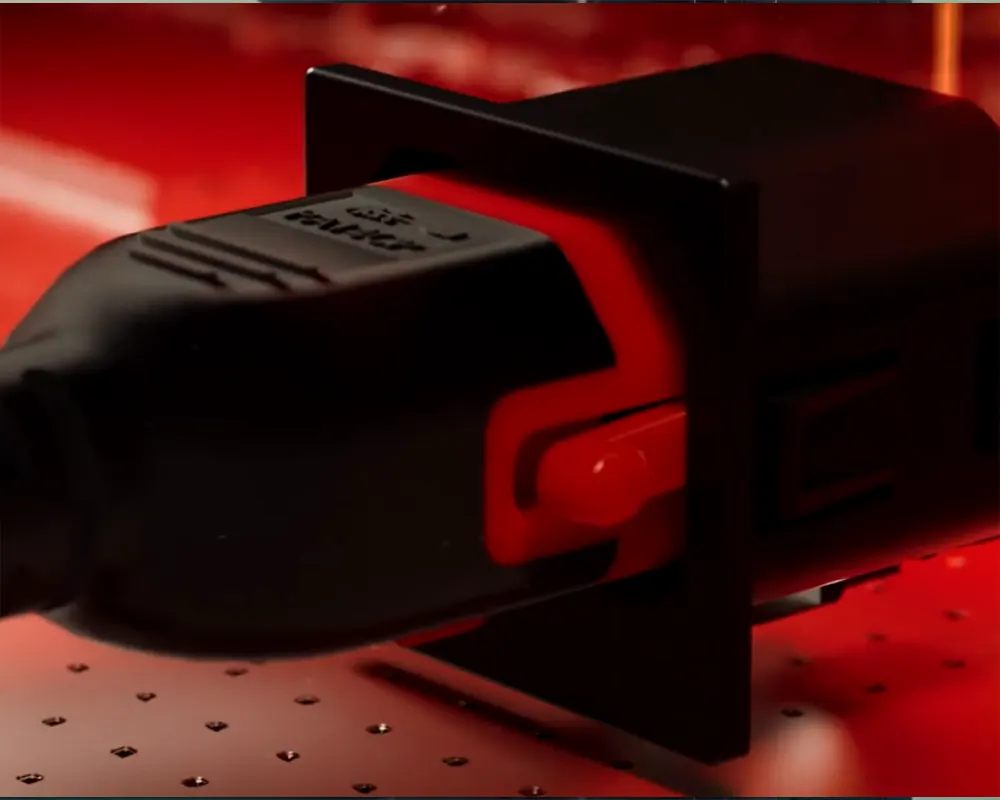
Once inserted, releasing the tab engages the internal latch, securing the connector firmly in place. Connector CANNOT be accidentally pulled or vibrated out of the inlet
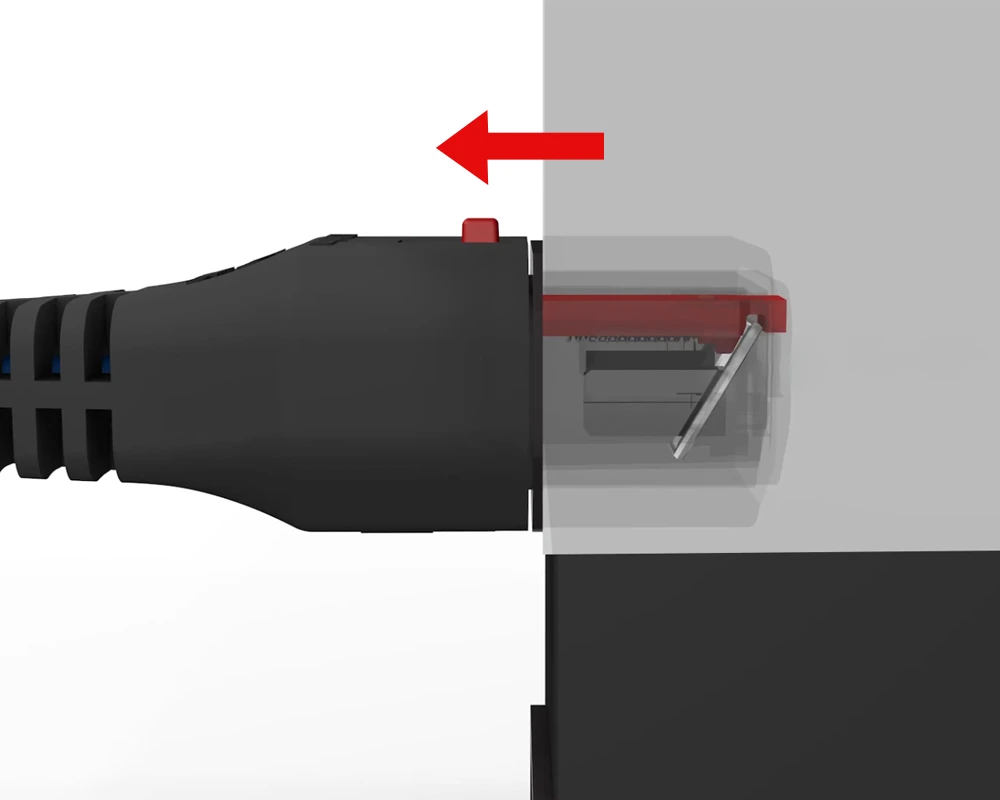
Simple pull-back to disconnect 
To remove, pull the top tab back again to disengage the lock, then withdraw the connector.
Dual Locking Connectors
Side Locking Mechanism engages Automatically 
As the connector is pushed in, the side latch clicks into place where the socket allows, helping hold the plug securely without any extra action.
Underside release / alternative latch 
The bottom (underside) tab acts as an additional or alternative locking point. Depending on the inlet design, either the side latch or this tab will engage to provide retention.
Secure fit across standard and locking sockets
Once inserted, the connector resists accidental pull-out and vibration. It works with generic non-locking sockets as well as IEC Lock sockets
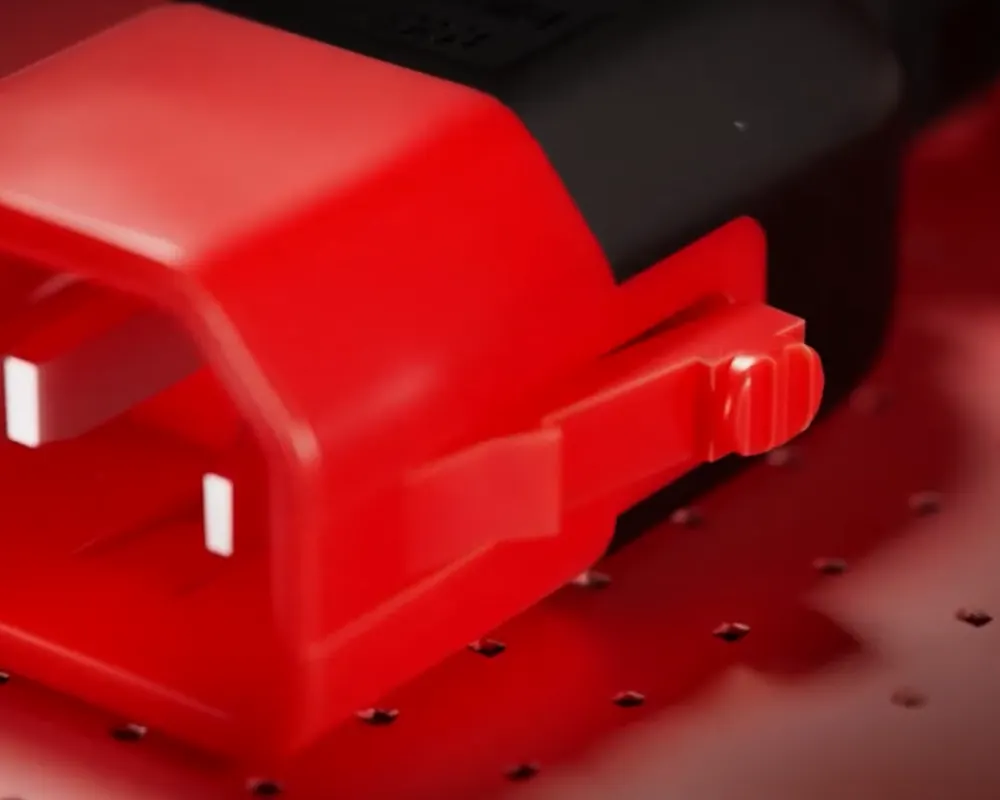
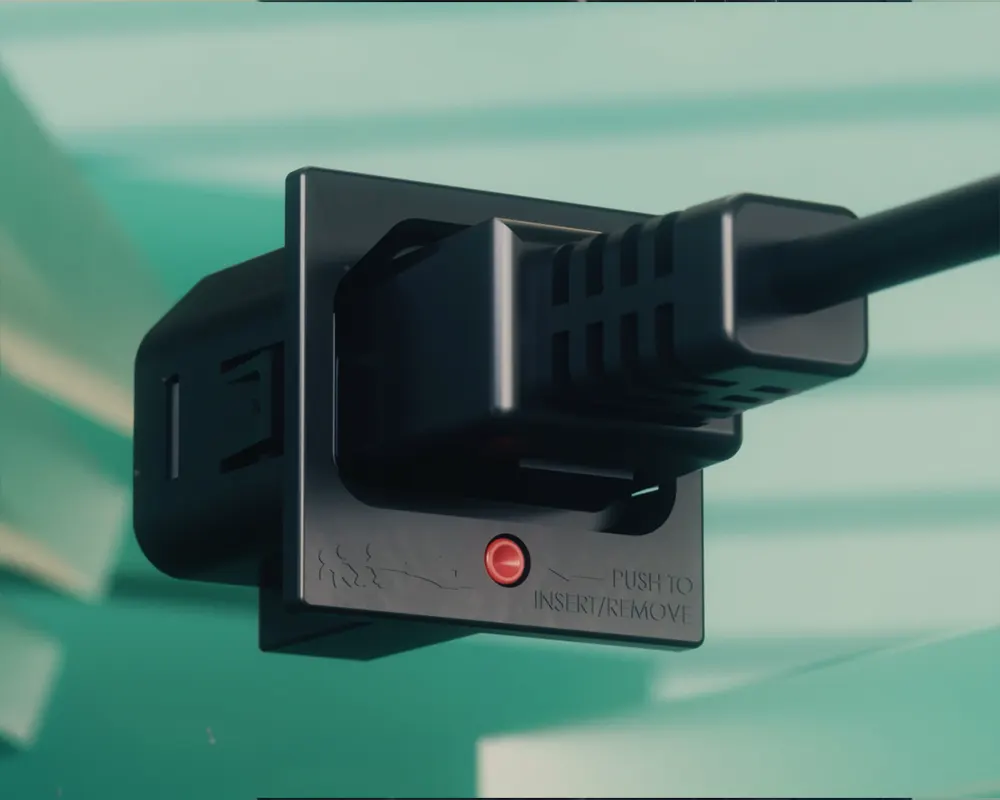
Lock Outlets
Easy Connection 
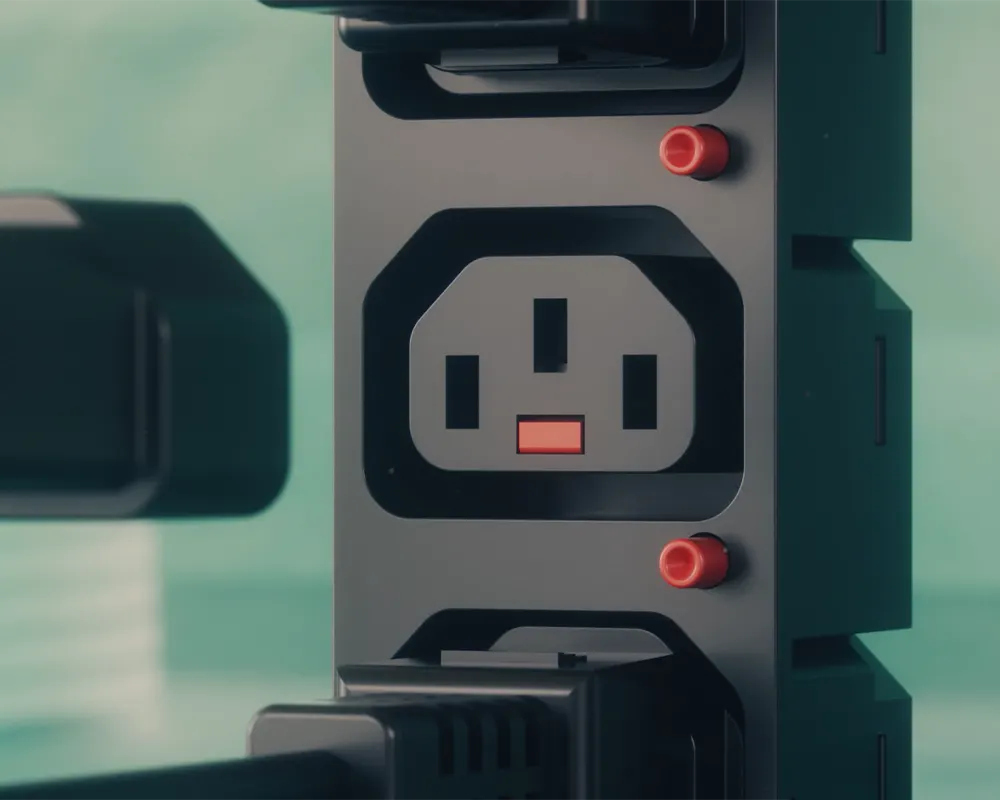
Lockable appliance outlets are suitable to use with any standard C14 or C20 outlets.
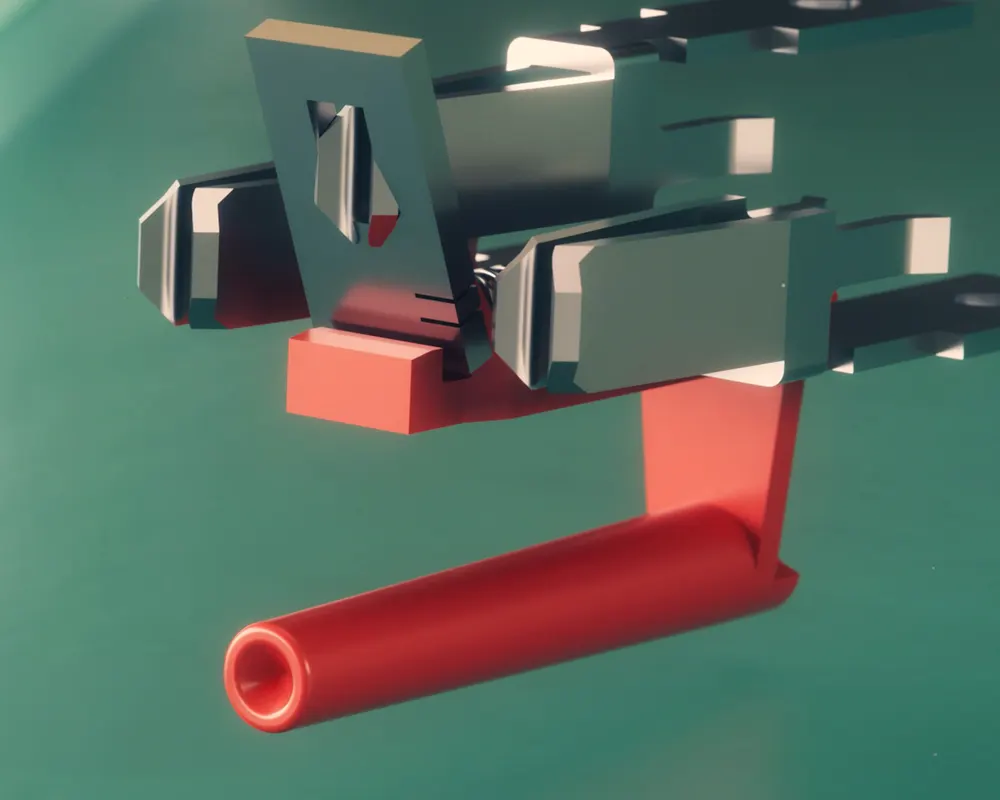
Unique Patented Mechanism 
Internal locking blade clamps to the earth pin to provide a strong connection.
Release Locking
Connectors can be easily released by pressing the red button.